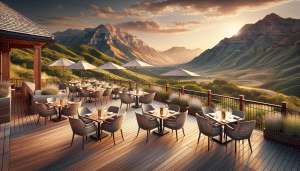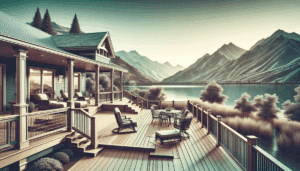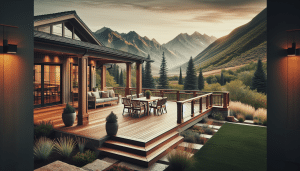
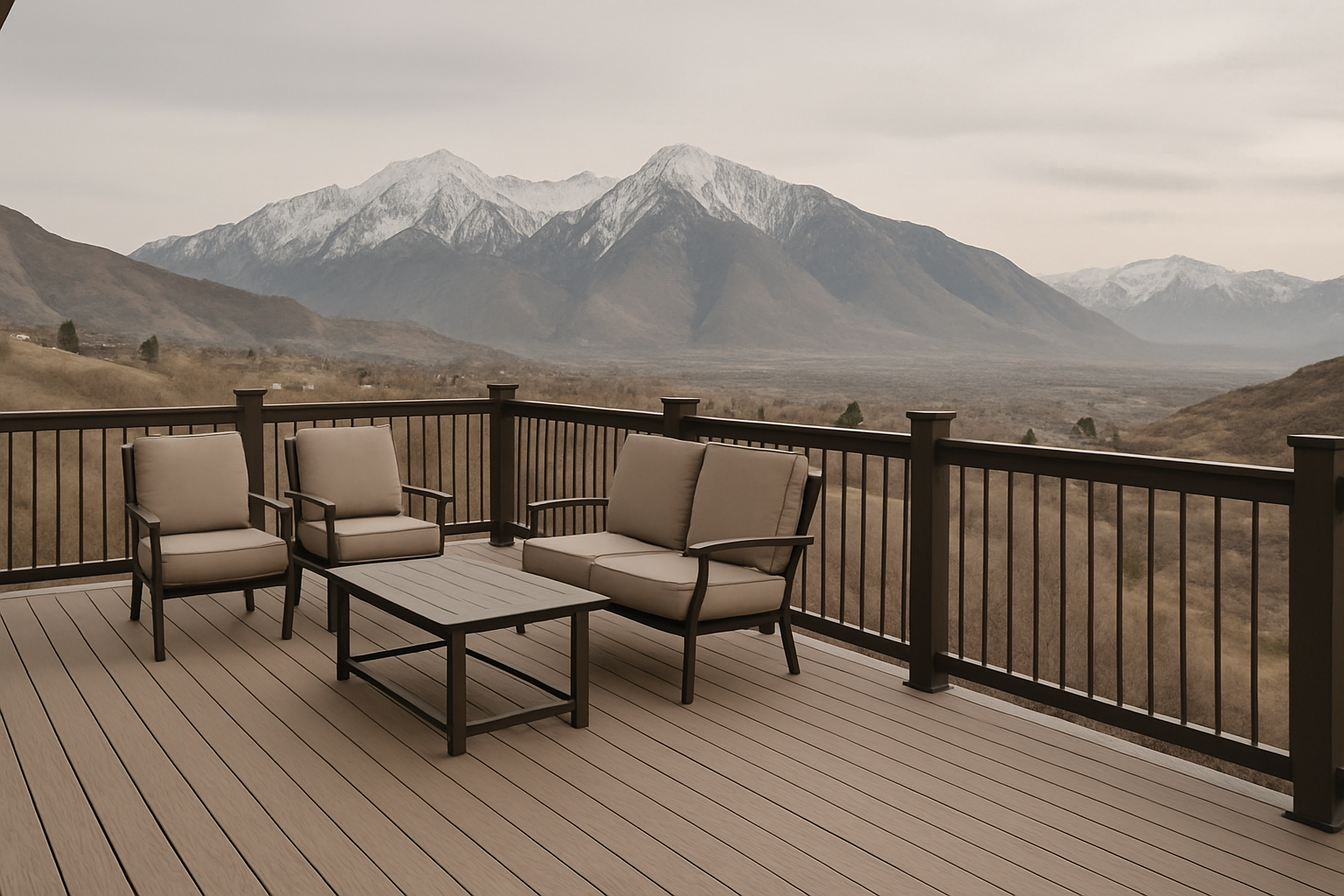
Your deck should feel like a natural extension of your home—where sunrise coffee tastes better, Friday cookouts run long, and the Wasatch views never get old. If you’re a homeowner in Orem, choosing the right builder isn’t just about price. It’s about safety, longevity, and a process that doesn’t leave you guessing. Here’s a friendly, straight-shooting guide to finding a trustworthy deck builder in Orem who’ll build it right the first time.
Table of Contents
- Know What You Want Your Deck To Do (Before You Call Anyone)
- Licensing, Insurance, and Permits in Orem: The Non-Negotiables
- Materials That Survive Utah Weather (And Still Look Great)
- Questions To Ask Before You Sign Anything
- Pricing Clarity Without Games
- Portfolio, References, and What To Look For
- The Structure You Don’t See (But You’ll Feel For Years)
- Safety, Comfort, and Little Touches That Matter
- Timing in Utah County: Seasons and Lead Times
- Red Flags Worth Paying Attention To
- How Utah County Decks Builds It Better
- Ready To Hire a Deck Builder in Orem? Let’s Talk
Know What You Want Your Deck To Do (Before You Call Anyone)
Start with how you’ll actually use the space. Sounds obvious, but it shapes everything—size, structure, and materials. Morning shade for coffee? A corner for the grill? A sturdy area for a hot tub? Do you want privacy from the street or an open view of Timpanogos? These little choices drive the design.
Here’s the thing: Orem’s climate matters. We get high-altitude sun, freeze-thaw cycles, and the occasional late spring storm that surprises everyone. That means good drainage, sturdy railings, and smart layout. If your deck faces south, you’ll want UV-resistant materials. North-facing? Think about snow that lingers in January.
You know what? It also helps to picture the traffic flow. Kids running out from the kitchen. Guests coming down the stairs to the yard. If the layout fits your life, the deck will get used every day—not just on holidays.
Licensing, Insurance, and Permits in Orem: The Non-Negotiables
Any Utah County deck builder worth hiring will be properly licensed and insured. In Utah, contractors should have a current license through DOPL. Ask for proof. You’ll also want general liability and workers’ comp coverage. If someone gets hurt or something goes wrong, you don’t want that risk on you.
Permits? Yes, you’ll likely need one. Orem City follows the International Residential Code, and decks attached to the house—or over a certain height—require permits and inspections. Your builder should pull the permit, handle the engineering if needed, and meet inspection requirements. If they say you can “skip it,” walk away.
HOA in Vineyard or a subdivision off 1600 North? Get design approval first. Good builders know this rhythm and can provide drawings and specs quickly so you don’t lose weeks.
Materials That Survive Utah Weather (And Still Look Great)
Choosing materials is where function meets style. We install all kinds, and each has a personality—like a truck that runs hard versus a sleek commuter. Let me explain.
| Material | Pros for Orem Climate | Maintenance |
|---|---|---|
| Pressure-Treated Wood | Budget-friendly; strong framing; classic look with stain | Annual wash; stain or seal every 2–3 years |
| Cedar or Redwood | Beautiful grain; cooler underfoot; naturally resistant | Regular staining; watch for UV graying at altitude |
| Composite/PVC (Trex, TimberTech AZEK, Fiberon) | Low maintenance; great color options; resists fading and moisture | Wash a couple times a year; no staining needed |
For low fuss and high durability, composite Decking like Trex or TimberTech is popular across Orem and Provo. It handles UV better, doesn’t splinter, and cleans up fast after a storm. If you love the warmth of wood, cedar looks stunning—especially with a satin finish—but it needs consistent care under our high-altitude sun.
Framing matters too. Pressure-treated lumber is the go-to, but steel framing is gaining fans for long-term stability. Fasteners should be corrosion-resistant (think stainless or coated) because de-icing salts in winter can be rough on hardware. And yes, hidden fastener systems like CAMO or FastenMaster give that clean, modern look you see in magazines.
Questions To Ask Before You Sign Anything
A quick conversation reveals a lot. The right builder won’t duck the hard questions—they’ll lean into them.
- Who pulls the permit and schedules inspections? Your builder should handle it.
- What’s your process for change orders? Clear pricing, in writing, before work changes.
- What’s the target timeline? Ask for start and finish windows, plus what affects them.
- How deep are your footings? We aim for code or better; frost depth matters along the Wasatch Front.
- What hardware do you use? Simpson Strong‑Tie hangers, bolts—not nails—at the ledger. No shortcuts.
- How do you flash the ledger? Peel-and-stick membrane plus metal flashing; water must run out, not in.
- What warranty do you offer? Labor and materials should be clearly defined—no vague promises.
- Who’s on site daily? Know the lead carpenter, not just the salesperson.
- How do you handle daily cleanup? Safe site, swept, no nails left in the grass.
If answers sound thin or rushed, trust your gut. Clear processes aren’t fancy, but they save headaches.
Pricing Clarity Without Games
Let’s talk numbers without the smoke. A quality deck isn’t cheap, but cheap can get expensive fast if you’re fixing mistakes a year later. In Orem, straightforward ranges for the build itself often look like this:
Pressure-treated with basic Railing: lower price range. Composite or PVC with aluminum or cable rail and lighting: higher. Stairs, skirting, and complex shapes bump cost. So do hot tubs, covered areas, and steel framing. We’ll be frank here: cost per square foot is only useful when details match. Apples to apples, always.
Ask for a line-item estimate. Materials, labor, demo, disposal, permits, and extras like lighting or privacy screens should be listed. If there are allowances for items like railing or skirting, have those spelled out. A small contingency is smart—Utah clay and hidden surprises around old patios can add work nobody saw coming.
Contradiction time: chasing the lowest bid can get you the highest bill later. But overbuilding can be wasteful too. The sweet spot is durable and code-strong, not show-off expensive unless that’s your goal.
Portfolio, References, and What To Look For
Photos are great, but ask for recent builds—dates matter. A deck that looked great eight years ago might show its age today. If possible, go see a finished project in your area, ideally after a couple of winters. Notice stair tread comfort, rail sturdiness, and how boards look at joints and edges.
Online reviews help, but read the nuanced ones. Did the builder communicate well? Were there delays and how were they handled? Home projects are real life—sometimes weather flips the script. It’s how the crew responds that shows their character.
Bonus tip: If your home sits on a slope near the foothills, ask for examples of second-story decks with wind exposure. The canyon breeze on a spring evening can make a flimsy rail feel wobbly. Quality hardware and bracing stop that before it starts.
The Structure You Don’t See (But You’ll Feel For Years)
What separates a “nice” deck from a “rock-solid” deck? The hidden details. Things like footing size and depth, beam spans, and proper post bases. We use hardware like Simpson Strong‑Tie for hangers and tension ties because they don’t just pass inspection—they hold strong when the deck is packed with guests.
Ledger attachment is the big one. Bolts, not nails. Proper spacing, washers, and flashing. We also use butyl joist tape to protect tops of joists from moisture. It’s not flashy, but it adds years to the frame. On second-story builds, lateral load connectors (for example, Simpson DTT2Z) stop that subtle sway you sometimes feel when people walk by. Feels better. Safer too.
We’ll also talk drainage. Water should flow away from the house, not toward it. Simple. Critical.
Safety, Comfort, and Little Touches That Matter
A safe deck is a joy to use. Code calls for 36- to 42-inch railings depending on the setup, uniform risers, and proper tread depth. We like stair lighting for evening use—LEDs that sip power and don’t glare. Grippy treads help in winter. If you’ve got toddlers, gate options keep stairs safe without looking like a kennel.
Thoughtful touches make a space sing: a wind-screened corner for reading, a privacy panel near the neighbor’s kitchen window, or a drink rail along the perimeter for game days. These aren’t luxury items; they’re use-more features. And yes, we’ve seen plenty of grills parked right where smoke blows into the living room—layout solves that.
Timing in Utah County: Seasons and Lead Times
Spring fills fast. So does early summer. If you want a deck ready for July barbecues, planning in late winter is smart. Snow doesn’t stop us—we build year-round—but concrete and finishes have temperature limits. We use insulated blankets and smart scheduling to pour footings when it’s safe. The city’s permit turnarounds are usually reasonable, but give it a week or two.
Material lead times can shift. Trex colors and certain aluminum rails may need a short wait during peak demand. Clear communication helps you plan around it, so you’re not left staring at a plywood step for two weeks.
Red Flags Worth Paying Attention To
- No permit needed for an attached deck over a few feet high? Big red flag.
- Cash-only and “we can start tomorrow” pricing that’s way below others.
- Vague materials like “composite” without a brand or model.
- Can’t explain ledger flashing like they’ve never done it.
- No proof of insurance or expired license.
- No local references in Orem or nearby cities.
Trust your instincts. A great deck builder is proud to share details.
How Utah County Decks Builds It Better
We’re local. We know the neighborhoods off 800 North, the newer builds near UVU, and the older homes that need careful ledger work. Our process is simple and transparent:
We start with a friendly consult—what you want and how you live. Then a detailed proposal with line items, not guesswork. We handle permits and inspections with Orem City. We build using proven hardware (Simpson Strong‑Tie), solid framing, and proper flashing every time. If you choose Trex or TimberTech, we follow manufacturer specs so warranties stay intact. We keep the site tidy, communicate daily, and wrap with a thorough walk-through and punch list.
Want to see your deck before it’s built? We can provide clear drawings or 3D visuals that make decisions easy. And if you’ve got a big family cookout on the calendar, tell us. We’ll plan around your real life where we can.
Ready To Hire a Deck Builder in Orem? Let’s Talk
If you want a custom deck in Orem that’s sturdy, beautiful, and built by people who actually pick up the phone, we’re here. Call Utah County Decks at 801-406-3726. Or click to Request a Free Quote and we’ll reach out quickly.
Tell us how you’ll use your deck, what you love, and what worries you. We’ll bring the know-how, the straight answers, and the craftsmanship to make it happen—so your next backyard memory has the perfect backdrop.