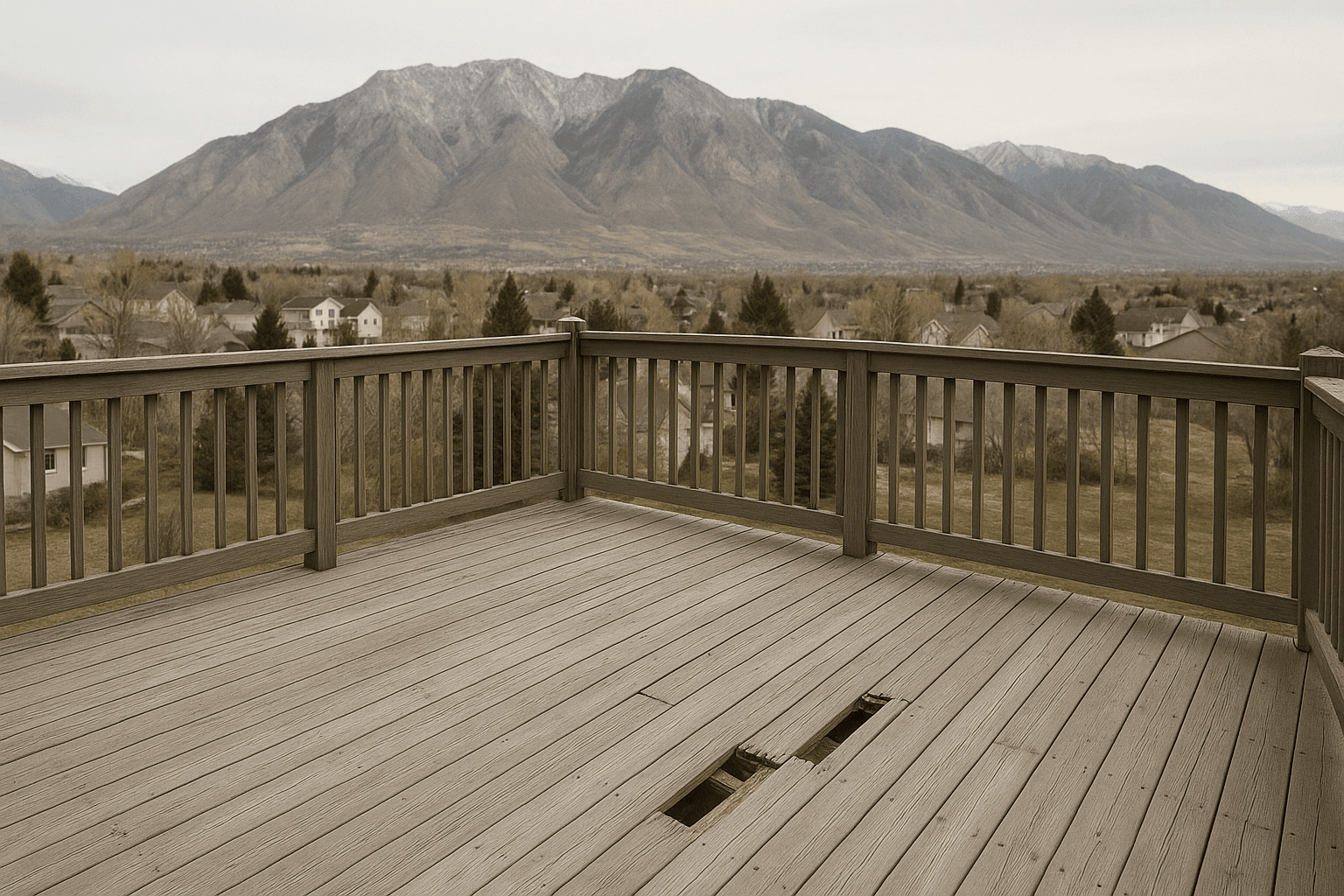
Decks age like anything outdoors in Utah—sun-scorched in July, snow-laden in January, and rattled by wild temperature swings in between. If your boards feel bouncy, your rail shakes, or your stairs creak, you don’t just need a quick patch. You need a reliable Deck Repair contractor in Orem who treats safety, structure, and style with equal care. Here’s how to tell the real pros from the guess-and-go crew, and why choosing right makes your deck safer, longer lasting, and a whole lot more enjoyable.
Table of Contents
- Why repair quality matters more in Orem
- Red flags vs. true pros
- Licensed, insured, and permit savvy
- Structural know-how: loads, ledgers, and life safety
- Material expertise you can trust
- Transparent pricing, real scopes, no funny business
- Communication and timeline management
- Safety first—on your deck and during the job
- Warranty and aftercare that actually helps
- Portfolio, references, and local reviews that mean something
- Problem solvers, not part swappers
- Seasonal timing and Orem-specific tips
- DIY vs. calling a pro
- Quick FAQs homeowners ask us
- How Utah County Decks stacks up
- Ready to feel safe on your deck again?
Why repair quality matters more in Orem
Orem decks take a beating. We’ve got high-altitude UV, spring rain, and freeze-thaw cycles that pry open little gaps and make them big problems. Moisture sneaks into a ledger board. A few screws back out. Suddenly, rail posts wiggle and treads split.
Here’s the thing: decks rarely fail in one big piece. They fail at the small, ignored parts—loose hardware, missing flashing, rotted fasteners, footings that heaved last winter. A solid repair protects the parts you can’t see as much as the parts you can. That’s how a local, thoughtful contractor keeps a Utah deck safe.
Red flags vs. true pros
Not every “deck guy” is a deck pro. You know what? Some folks still nail new boards over old rot and call it a day. A reliable contractor takes time to inspect, explain, and repair the cause—not just the symptom.
- Red flags: no written scope, vague timelines, low-ball estimate “if you pay cash,” no talk of permits, pushy upsells, or “We’ll just cover it up.”
- True pro tells: full inspection, photos of issues, clear bid, talk of ledger flashing, fastener upgrades, and code compliance with the IRC as adopted by Orem and the State of Utah.
It’s your home and your family on that deck. Clarity matters.
Licensed, insured, and permit savvy
Start simple. Is the contractor licensed and insured? Ask to see proof. A reliable company carries general liability and workers’ comp, so you’re protected if something goes sideways. They also know when a permit’s required—especially for major structural repairs, new stairs, or rail rebuilds.
Orem follows the International Residential Code (with Utah amendments). It’s not red tape for its own sake. Permits ensure inspections and safe load paths. A contractor who handles this for you is worth their weight in 3-inch structural screws.
Structural know-how: loads, ledgers, and life safety
Repairing structure isn’t guesswork. A dependable pro looks at the whole frame, including the ledger board where the deck meets the house, joist hangers, posts, beams, and footings. They’ll check for rot, rust, split grain, and movement from frost heave.
They should talk about:
- Ledger attachment and flashing: Proper through-bolts or approved screws, plus flashing that stops water from sneaking behind siding. No flashing? That’s a leak waiting to happen.
- Joist hangers and connectors: Correct size, correct nails, no mixed metals that corrode.
- Footings below the frost line: Keeps posts from shifting every winter.
- Rail post anchoring: This is a big safety item. Posts need solid blocking and hardware, not just a few screws and a prayer.
It might sound technical, but it’s simple: good connections make safe decks.
Material expertise you can trust
A good deck repair isn’t one-size-fits-all. The contractor should know wood and composite systems inside and out and help you choose what fits your style, your budget, and your maintenance tolerance.
- Pressure-treated lumber: Budget-friendly and strong. Needs sealing. Use fasteners rated for ACQ to avoid corrosion.
- Cedar or redwood: Beautiful and lighter. Great feel under bare feet. Needs consistent care in our UV-heavy summers.
- Composite Decking: Brands like Trex, TimberTech, and Fiberon resist fading and splinters. Heavier, needs proper framing and hidden fasteners where appropriate.
Ask about joist spacing for composites, stair tread support, and matching existing patterns. A pro will suggest color blends that complement Utah stone and stucco—and won’t fade weirdly on the sun-baked west side of your deck.
Transparent pricing, real scopes, no funny business
Honesty shows up in the estimate. A reliable repair contractor gives a written scope, labor and materials, and known exclusions. They also plan for the unknown: “If we find rot under the ledger, we’ll show you, price it, and only proceed with your OK.” That’s fair.
| Feature | Ask This | Why It Matters |
|---|---|---|
| Scope of Work | What’s included, and what’s not? | Prevents surprise charges and hurt feelings. |
| Materials | Which brand, grade, and fasteners? | Quality fasteners and flashing outlast cheap stuff. |
| Change Orders | How will hidden rot be handled? | Clear process = no pressure in the moment. |
Cheap bids often skip critical parts. Transparent ones don’t.
Communication and timeline management
Repairs move fast when the plan is clear. Your contractor should explain the schedule, protect landscaping, keep a tidy site, and update you when weather shifts things. Quick photo updates go a long way. A clean job site also tells you you’re dealing with pros who respect your home.
Utah’s spring storms and summer heat are no joke. Reliable crews plan morning work on scorching days and cover open areas before rain. Simple, but it shows care.
Safety first—on your deck and during the job
A trustworthy contractor treats safety as part of the craft. That means fall protection, safe electrical work around outlets and lighting, and debris control so your kids or pets aren’t stepping on stray screws. It also means checking that guardrails hit the right height and strength. Rails are the last line of defense—you want them rock solid.
If night lighting is part of your repair, ask about sealed, low-voltage options and weatherproof connections. Nothing glamorous here—just safe and reliable.
Warranty and aftercare that actually helps
Good work gets a good warranty. Expect a workmanship warranty in writing, plus manufacturer coverage for composite decking and fasteners. More important? Aftercare. You should leave with a simple maintenance guide tailored to Utah’s climate:
- Cleaning schedule: Mild soap, soft brush, no harsh bleaches that eat finishes.
- Annual checkup list: Tighten lag screws, inspect rail posts, clear debris off ledger flashing.
- Winter prep: Use a plastic shovel on snow; rock salt can be rough on metal and wood.
Repairs last longer when you know how to care for them.
Portfolio, references, and local reviews that mean something
Photos tell the truth. Ask for before-and-after shots of projects like yours. If a contractor repaired sagging stairs or spongy landings, they should show you how they solved it. Local references in Orem, Vineyard, and Provo matter because soils, slopes, and sun exposure vary by neighborhood.
Check Google and Nextdoor reviews, but also ask for a couple of phone numbers. A two-minute chat with a neighbor is worth a dozen anonymous stars.
Problem solvers, not part swappers
Decks are a puzzle. A reliable contractor doesn’t just swap a bad board; they ask why it failed. Was it water trapping behind trim? No weep gaps? Incompatible metals? They address root causes so you don’t call again next spring for the same trouble.
Small example: soft stair treads. Sure, you can replace the treads. But a pro also checks stringers for rot, adds mid-span blocking if the run is long, and upgrades tread fasteners to avoid squeaks and splits. One visit. Lasting fix.
Seasonal timing and Orem-specific tips
When’s the best time to repair? Spring and fall are sweet spots—mild temps for adhesives and finishes. Summer works too; good crews stage work to avoid heat stress. Winter can be fine for structure and framing if the site is safe and clear.
A few Utah-friendly tips:
- Sun on the west side: Consider heat-mitigating colors; darker composites can get toasty.
- Snow and ice: Use a plastic shovel and calcium chloride where allowed, not rock salt.
- Traction: Ask about grip strips on stairs or a subtler, textured tread—helpful on frosty mornings.
Little choices make a big difference in daily comfort.
DIY vs. calling a pro
We get it—some fixes are weekend-friendly. You can replace a single cracked board, tighten a few screws, or wash and seal if your deck’s in decent shape. But call a pro when you see:
- Spongy spots or bounce: Could be joist rot or failing hangers.
- Loose rails or wobbly stairs: That’s a life-safety issue.
- Ledger concerns: If water’s getting in behind the house connection, it’s serious.
- Widespread fastener rust: Time for an upgrade, not just a patch.
Honestly, the line is simple: if it affects the structure, call someone who does this every week.
Quick FAQs homeowners ask us
How long does a typical repair take? Many jobs run one to three days. Complex structural work can take a week or two, especially with permits and inspections.
Can you match existing decking? Often, yes. If a perfect match isn’t made anymore, we’ll propose a transition board or tasteful pattern so the repair feels intentional.
Do composites get too hot here? Some darker colors do in late afternoon sun. We’ll show heat samples and suggest lighter tones or partial shading if needed.
Will you clean up daily? Absolutely. Safe, tidy sites are part of being a pro.
How Utah County Decks stacks up
Choosing a contractor is a trust decision. Utah County Decks focuses on the work that makes a deck safe and easy to love again. We’re local to Orem, familiar with the IRC used here, and comfortable pulling permits when they’re required. We repair structure first—ledger, flashing, hangers, posts—then make the surface look great with smart material choices. We work with quality brands for hardware and decking, including Trex, TimberTech, and Fiberon, and we use fasteners that actually last in our climate.
Expect clear estimates, photos, and steady communication. Expect site protection, daily cleanup, and a real warranty. It’s not fancy. It’s just the right way to do deck repair.
Ready to feel safe on your deck again?
If your deck feels shaky, don’t wait for spring to make it worse. Let us take a look, show you what’s going on, and lay out a straightforward plan and price. We’ll treat your home like we’re working on our own.
Call 801-406-3726 to talk with a real person, or Request a Free Quote and we’ll schedule a convenient on-site visit. Prefer to click-to-call? Tap here to call 801-406-3726. We serve Orem and all of Utah County—and we’re ready when you are.