A beautiful deck can still be frustrating if it is too exposed to use during the hours your family is actually home. In Utah County, shade planning is not just a style upgrade. It affects comfort, furniture layout, views, snow and water management, railing placement, lighting, privacy, and whether the deck becomes a true outdoor room instead of a surface you walk across on the way to the yard.
The best shade choice depends on the house, the direction the deck faces, the height of the deck, how the stairs land, and how permanent you want the structure to feel. A pergola, pavilion, covered deck, gazebo, privacy screen, or under-deck drainage system can all be the right answer in the right situation. The mistake is choosing the product before understanding the site.
Use this guide as a homeowner planning tool before an estimate. It explains the main shade options, the structural and permit questions to ask, and the tradeoffs that matter when shade is paired with composite decking, railing, stairs, and local Utah County building expectations.
Start with how the deck will be used
Shade should follow the way you want to live outside. A dining area needs shade over the table at the time meals are usually served. A grill zone needs safe circulation and enough openness for heat and smoke. A hot tub deck needs privacy, footing and access planning, and a layout that does not make service awkward. A quiet sitting area may need filtered shade and a better view more than a full roof.
This is why the first design question should not be, "Do you want a pergola?" It should be, "What part of the day feels uncomfortable, and what do you want to do on the deck during that time?" A west-facing deck that bakes in the afternoon may need a different answer than a morning-coffee deck on the east side of the house. A covered second-story deck may need drainage and snow planning that a ground-level patio cover does not.
Read the site before choosing the structure
A good shade plan starts with the property. Door height, siding transitions, window placement, existing rooflines, hose bibs, utilities, grade, views, neighboring homes, and HOA expectations can all affect the final design. On an elevated deck, posts and beams are not just decorative. They must land where the structure can support them, where stairs and railing still work, and where the finished deck does not feel crowded.
Sun angle matters, but so does the human path through the space. If a post lands where people naturally walk from the door to the stairs, the deck will feel awkward no matter how good the shade structure looks in a catalog. If the shade roof blocks an important mountain view or makes the house interior feel dark, it may solve one problem while creating another.
Utah County Decks treats shade as part of the deck design, not a separate add-on. The deck boards, railing, stairs, beams, privacy, lighting, and furniture zones should all feel like one plan. That approach is especially important when homeowners are investing in composite decking or a larger backyard transformation.
Common shade options homeowners compare
Most Utah County homeowners end up comparing several shade approaches. The right choice is usually a balance of coverage, cost, maintenance, appearance, and structural complexity. A simple shade sail may help a patio, but it does not create the same long-term outdoor room as a roofed cover. A pergola may add architecture and comfort, but it will not perform like a solid roof when rain or snow coverage matters.
Use the categories below as a starting point, then verify the right fit on the property. Product names can be confusing because people use pergola, patio cover, pavilion, gazebo, and covered deck loosely. What matters for the estimate is whether the structure is attached or freestanding, open or roofed, decorative or load-bearing, and whether it changes drainage, lighting, electrical, or permit requirements.
- Pergolas: open or partially covered structures that add filtered shade, architectural detail, and a defined outdoor room without fully enclosing the deck.
- Covered decks and patio covers: roofed structures that provide stronger weather protection and usually require more structural and permit planning.
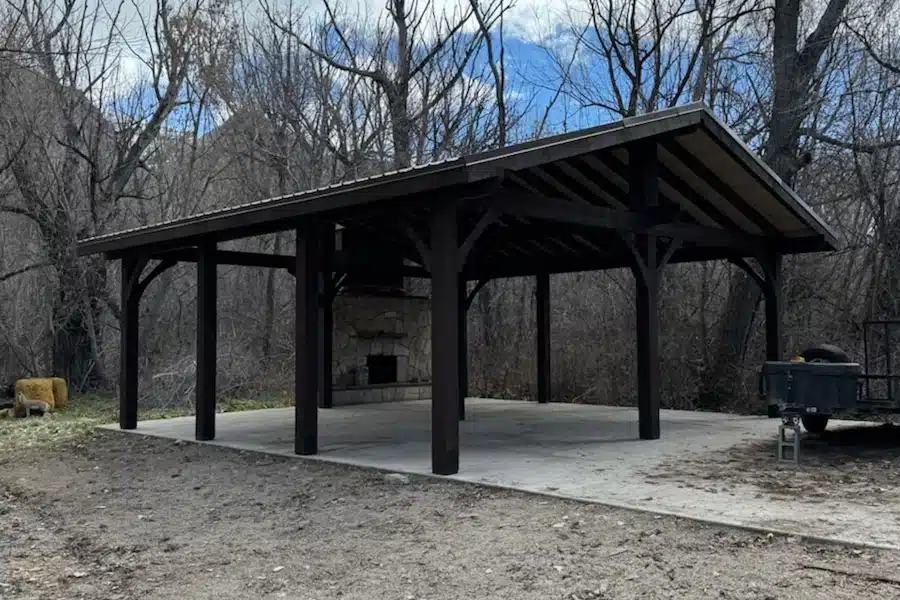
- Pavilions: freestanding or semi-independent roofed spaces that can create a destination in the yard or cover a larger deck zone.
- Gazebos: more defined shade structures that can work well as a focal point, sitting area, or separate gathering space.
- Privacy screens and shade panels: targeted solutions for side sun, neighbor views, wind, or a specific seating area.
- Under-deck drainage: systems that help turn the area below an elevated deck into a more usable patio or storage zone.
- Temporary shade: umbrellas, movable canopies, and seasonal fabric pieces that can help now but do not replace structural planning for a permanent build.
Pergolas: filtered shade with an open feel
A pergola is often the best fit when a homeowner wants the deck to feel more finished without putting a full roof over the space. Pergolas can make a deck feel intentional, frame a dining or lounge area, and add enough relief that the deck is more pleasant during bright parts of the day. Trex describes its pergola products as customizable outdoor structures intended to add shade and privacy while staying low maintenance, and canopy options can increase sun protection when filtered shade is not enough.
The main limitation is coverage. A pergola with open rafters is not a rain roof, and it will not block every angle of sun. If the deck is uncomfortable because of low afternoon sun, side screens, a canopy, or a different orientation may matter more than the overhead pattern. If the homeowner expects a dry outdoor room, a pergola should be compared with a roofed cover or pavilion instead of being treated as the same thing.
Pergolas also need to be sized carefully. Too small and they look decorative rather than useful. Too large and the posts can overwhelm the deck, complicate railing, or make furniture placement difficult. The best pergola designs look like they belong to the deck and the house, not like a kit dropped on top of a finished surface.
Covered decks, pavilions, and gazebos
A covered deck or pavilion is the stronger choice when the goal is an outdoor room with more dependable protection from sun and weather. Roofed structures can make a deck more usable for meals, gatherings, and quiet evenings, but they also introduce bigger questions: roof pitch, snow load, posts, beams, drainage, attachment to the house, existing rooflines, and whether lighting or fans are part of the project.
A pavilion can work well when the shade should feel like a separate destination or when attaching to the house is not the cleanest structural or visual answer. A gazebo can be a good focal point for a yard or a sitting area, especially when the deck design includes multiple zones. Both options need the same basic discipline: define the use first, then choose a shape that fits circulation, views, and support locations.
Roofed shade also changes the way the deck handles water and snow. The edge of a cover can dump water or snowmelt in a concentrated line if it is not planned. Gutters, drainage, landing areas, and winter access should be considered before the structure is finalized. That is one reason roofed covers should be discussed early in the estimate, not added after the deck footprint is already fixed.
Under-deck drainage for elevated decks
If the deck is elevated, the shaded area below may be just as valuable as the deck surface above. Trex RainEscape is an example of an under-deck drainage system that uses troughs and downspouts to move water away from the deck framing, helping create a drier patio or storage area underneath. For Utah County homes with walkout basements or sloped lots, that lower space can become an important part of the outdoor-living plan.
Under-deck drainage is not the same decision as a pergola or roof, but it often belongs in the same conversation. Homeowners may want a shaded upper deck and a more protected lower patio. That affects stair placement, lighting, soffit finish, drainage outlets, and whether the lower space needs privacy or wind control. Planning both levels together prevents a finished deck from wasting the usable square footage underneath.
Permits, code, and structure are part of shade planning
Shade structures can add loads, posts, beams, roof surfaces, connections, and sometimes electrical work. That means they are not always treated like furniture. Utah County's Building Division notes that it serves unincorporated Utah County and directs properties inside cities to the city service or website. Lehi's Building and Inspections department handles building permits for Lehi City, and Saratoga Springs publishes its adopted building codes and permit information separately. The practical takeaway is simple: jurisdiction matters.
The adopted residential building code and the IRC deck provisions matter when a deck supports people, stairs, guards, and additional structure. A roofed cover or attached shade structure can change design loads and connection details. Even a freestanding shade structure needs to be stable, properly anchored, and located where it does not create a safety issue. A contractor should be comfortable explaining which parts of the project are decorative and which parts are structural.
This guide is not a substitute for city or county review. It is a planning resource so homeowners know what to ask before construction starts. When a shade idea affects the deck frame, ledger area, stairs, guard posts, roof attachment, or electrical scope, it should be treated as part of the main design and estimate rather than a weekend accessory.
Material choices change maintenance and appearance
A shade structure sits next to the deck surface every day, so the materials should look intentional together. Composite decking, aluminum or composite railing, timber posts, painted trim, fascia, and house siding all create a visual palette. A warm timber frame can look excellent with the right deck color, but it can also feel heavy if the railing and board color are already dark. A white or light-colored pergola may brighten the space but needs to match the home exterior.
Maintenance expectations should be discussed before the choice is made. Trex promotes low-maintenance pergola products, while timber-frame shade structures bring a different look and may involve different finish expectations depending on the product and exposure. Composite deck boards reduce many wood maintenance tasks, but the shade structure itself may still have its own care requirements. Homeowners should not assume every part of the outdoor room needs the same upkeep.
Color also affects comfort and perception. Dark deck boards and dark overhead elements can create a rich, modern look, but they may feel visually and physically heavier in exposed areas. Lighter boards and trim can make a space feel calmer and brighter. The best answer depends on the house, the direction of exposure, the desired style, and how the family will use the deck.
Design details that make shade feel built in
The difference between a good shade structure and an awkward one is often in the details. Post spacing should relate to deck edges, railing sections, stair openings, and furniture zones. Beam sizes should feel proportional to the house. Fascia and trim should make the deck look finished from the yard. If lighting is included, it should illuminate real paths and gathering areas instead of being placed only where installation is easiest.
A shade structure should also preserve what is already good about the property. Many Utah County homes have mountain views, open yards, or strong indoor-outdoor connections from a kitchen or living room. A cover that blocks the best view from the house may disappoint even if it creates shade. Good design protects comfort without erasing the reason the homeowner wanted to be outside in the first place.
- Align posts with railing sections or deck edges when possible so the structure feels planned.
- Plan stair openings before posts are finalized; stairs are expensive to move later.
- Keep furniture clearances realistic, especially around dining tables and grills.
- Think about lighting, outlets, fans, and heaters before finishes are installed.
- Check how the structure looks from inside the house, from the yard, and from the street.
Budget planning without fake precision
Homeowners often want a single shade price before anyone sees the property. That is understandable, but it can be misleading. A small decorative pergola, a custom timber-frame pavilion, a roof tied into the house, and an under-deck drainage system are different projects. Size matters, but so do attachment details, footings, demolition, access, electrical, roofing, finish materials, and whether the existing deck can support the plan.
A useful estimate starts by separating must-haves from nice-to-haves. Full weather coverage, a dry lower patio, integrated lighting, privacy screening, premium timber, and a coordinated railing package all add value in the right project, but not every homeowner needs every feature. The estimate should make those choices visible rather than hiding them inside one vague number.
The strongest way to control cost is to decide the purpose of the shade before choosing the structure. If the problem is low evening sun, side screening may be more valuable than a larger roof. If the problem is rain on a basement walkout, under-deck drainage may be more important than a pergola above. Spending follows clarity.
Adding shade to an existing deck
Shade can often be added to an existing deck, but the existing structure needs to be evaluated first. Posts, beams, joists, ledger attachment, footings, guard posts, and stairs all affect whether a new shade structure is sensible. A deck that is already moving, sagging, rotting, or undersized should not be asked to carry more complexity without a serious inspection.
Sometimes the right answer is a targeted shade addition. Sometimes the better investment is a deck replacement or resurfacing project that includes shade from the beginning. That can feel like a bigger step, but it may produce a safer and cleaner result than trying to force a permanent structure onto a deck that was never designed for it.
A practical checklist before requesting an estimate
You do not need construction drawings before calling a deck builder, but a little preparation makes the estimate more useful. Think about the time of day the deck is uncomfortable, where you want furniture, whether you want partial shade or weather coverage, and whether the lower area under an elevated deck should become usable. Photos from inside the house and from the yard can also help explain the view and sun issues.
Bring up HOA rules, city concerns, timeline needs, and any known drainage or snow problems early. If you are comparing composite decking, railing, and shade at the same time, share the look you like and the maintenance level you want. A good on-site estimate should translate those preferences into a buildable scope, not pressure you into a one-size-fits-all structure.
- Note the sunniest and least comfortable hours of the day.
- Decide whether you want filtered shade, full roof coverage, privacy, or a dry lower patio.
- Measure rough deck size and mark preferred furniture zones if you can.
- Take photos of the house wall, roofline, deck frame, stairs, and yard access.
- Ask whether the shade structure affects permits, inspections, structural design, or electrical work.
- Compare how each option changes long-term maintenance, not just the first installation cost.
Helpful next steps
Common questions
What is the best shade option for a Utah County deck?
The best option depends on the deck's exposure, height, use, and budget. Pergolas are good for filtered shade and architecture, covered decks and pavilions are better for stronger weather protection, and under-deck drainage can make the lower area below an elevated deck more useful.
Do pergolas or covered decks need permits?
They may. Permit requirements depend on the city or county jurisdiction, whether the structure is attached or freestanding, whether it is roofed, how it is supported, and whether electrical or other work is included. Verify the permit path before construction.
Can shade be added to an existing deck?
Often, yes, but the existing deck should be evaluated first. Posts, beams, joists, ledger attachment, footings, railing, and stairs can all affect whether a shade structure is safe and sensible.
Is a pergola the same as a covered deck?
No. A pergola usually provides open or partial shade, while a covered deck or pavilion uses a roof structure for stronger weather coverage. The structural and permit questions are usually different.
Should shade be planned before or after the deck design?
Before. Shade changes post locations, railing, stairs, furniture zones, drainage, lighting, views, and sometimes structural design. Planning it early usually creates a cleaner finished project.
Sources and references
Want this translated into a real deck plan?
Send the project details and Utah County Decks will help sort out scope, materials, repairs, shade, railing, and the cleanest next step.